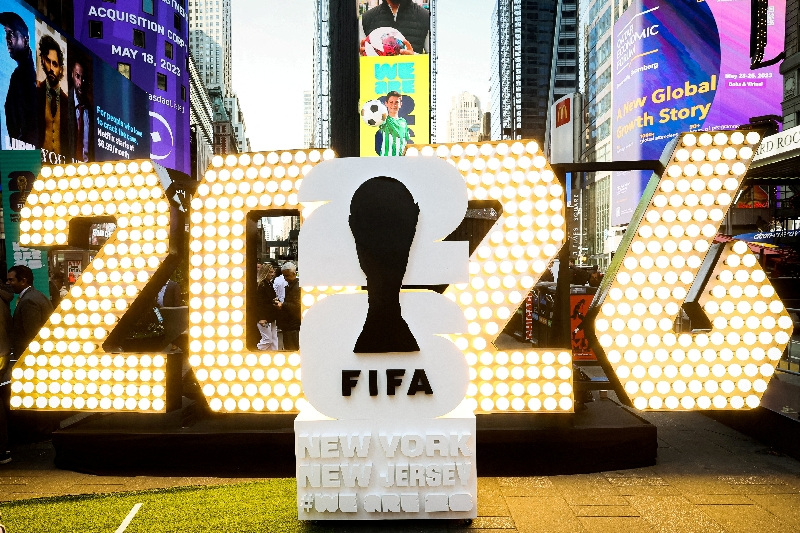
New Jersey is hosting the World Cup in East Rutherford from June 9 to July 19, 2026 and is expected to host 1 million people. New Jersey will host multiple games ending with The final game will be played at MetLife Stadium on July 19th.
The flood of people to New Jersey raises concerns for many citizens. MetLife stadium is already extremely crowded during NFL games and concerts, so people worry that highways, trains and buses will become congested and crowded during the matches.
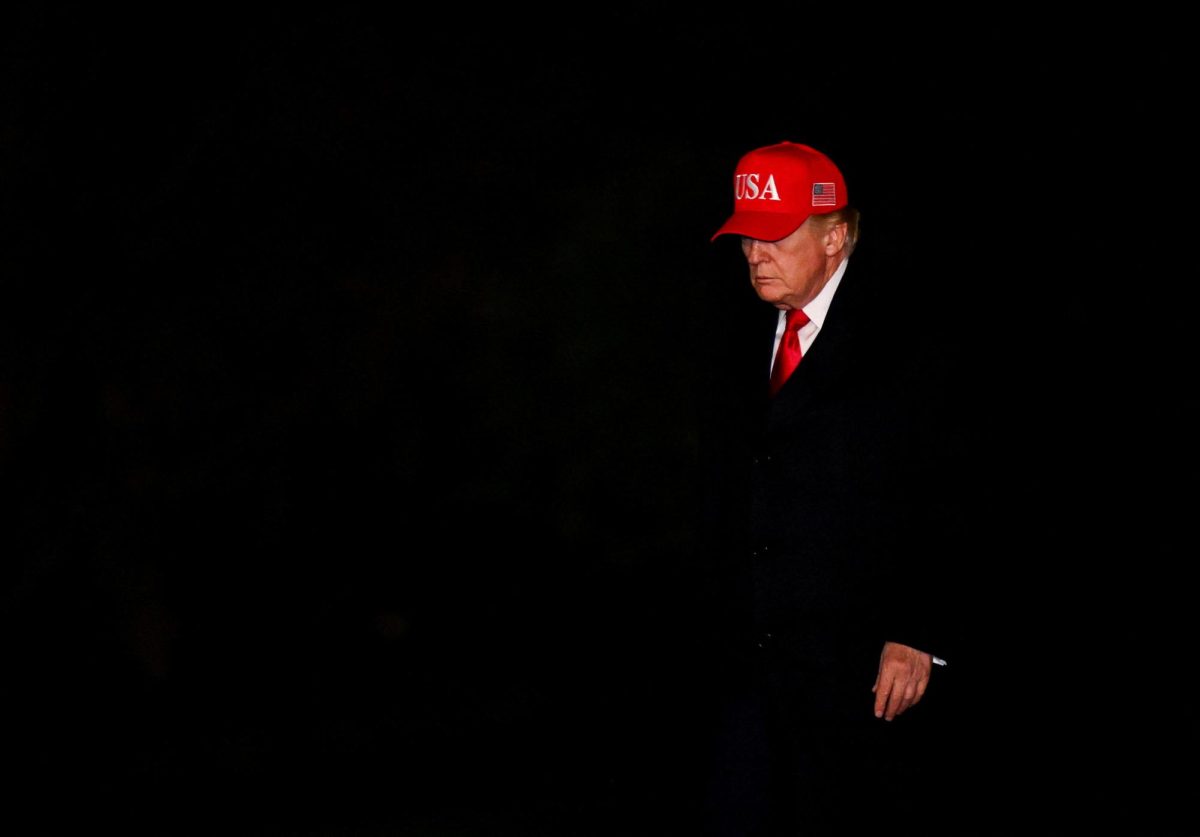
Hotels, restaurants, parking and flight prices are all expected to increase. According to NBC New York, New Jersey announced plans to charge World Cup attendees $150 for a round trip train ticket from Midtown Manhattan to MetLife stadium, but eventually lowered the price to $105 due to a harsh response from fans. The Atlantic reported that President Trump said even he would not pay to go to the World cup because of how much it will cost.
FIFA is expected to make around $13 billion from tickets, parking, merchandise, on-site concessions, sponsorships and TV rights. The cities that host are responsible for the cost of stadium retrofits, security, transportation, administration and more. So while FIFA is bringing in billions of dollars, cities are pressured to raise train prices in order to pay for everything FIFA is not. Mikie Sherril defends her decision to raise train prices saying that FIFA should cover the cost of transporting fans, in order to not disrupt New Jersey citizens who rely on NJ Transit every day.
Critics question whether hosting the World cup is worth the cost for New Jersey taxpayers. Many residents argue that public money could instead be used for schools, roads, healthcare or other community needs instead of a soccer game. Once the tournament ends, New Jersey could be left dealing with financial strain while FIFA keeps most of the profits made.
Large crowds, constant traffic, noise and overcrowding could disrupt everyday life for New Jersey and New York residents. Residents may experience longer commutes, crowded public transportation and difficulty accessing local business or parking areas. People are worried that emergency services and public resources will become overwhelmed because of the tourism expected in the area.
World Cup problems go farther than economic stress. Many are concerned about the environmental problems that FIFA will bring. The Los Angeles Times says that pollution will grow greatly from airplanes, buses, cars and heavy traffic. There will be large amounts of trash and plastic waste from millions of visitors. Hotels, stadiums and restaurants will use higher energy and water. The World Cup could place major environmental strain on New Jersey through increased pollution, waste and overcrowding.
Supporters of the World Cup argue that the tournament will help local business by bringing in tourists. Restaurants, hotels and shops are expected to bring in large amounts of money from tourism during the event. However, critics argue that many of the profits will mainly benefit large corporations and FIFA, rather than everyday residents. Some believe that the temporary economic boost will not outweigh the long-term costs of hosting the tournament.
Hosting the final at MetLife stadium will place New Jersey in the international spotlight and attract millions of visitors from around the world. Supporters believe the tournament will help tourism and local business, but many residents remain concerned about overcrowding, transportation problems, security risks, environmental damage and rising costs. The world cup will place major pressure on New Jersey’s infrastructure and residents and is expected to leave a lasting impact on New Jersey and its residents.