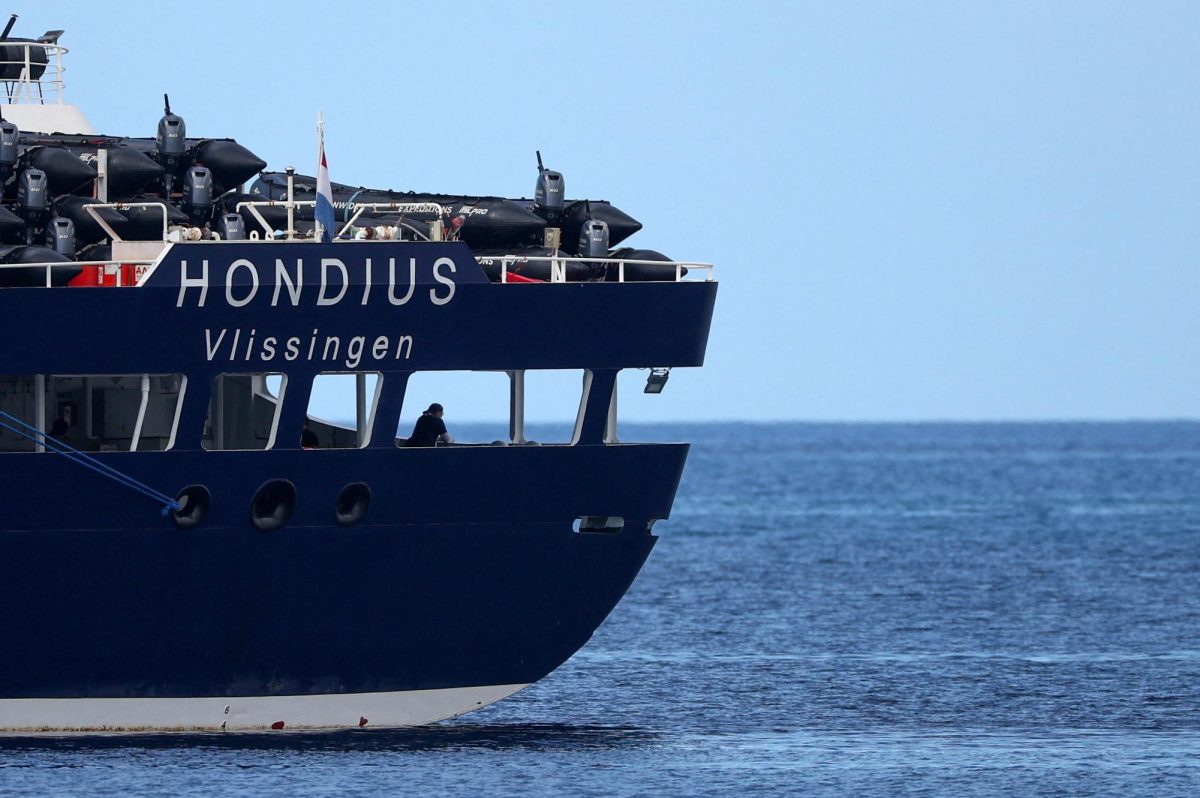
A deadly hantavirus outbreak aboard a Dutch-operated cruise ship has raised urgent questions about how this rare infection spreads and how worried society should be. The ship, MV Hondius, became society’s main focus after several passengers died and many others were sick during a month-long voyage in Argentina. The hantavirus is spread by rodents and has continued its spread worldwide. Health officials around the world are watching the situation as new infections connected to the ship rise. Currently, the MV Hondius remains isolated while cases in the United States raise concerns about the spread of another pandemic.
The virus first gained attention in the United States during an outbreak in 1993. Many young adults became severely ill with a fatality rate of 35 percent. Since then, the disease has become known as hantavirus pulmonary syndrome. According to the Centers for Disease Control and Prevention, 890 cases of Hantavirus were confirmed, but only 32 dead. Most hantavirus infections are caused by exposure to rodents. People can become sick after coming into contact with rodent urine, saliva or droppings. Symptoms usually begin with fatigue, fever, muscle aches, headaches and chills, which can feel similar to the flu. However, it takes 4-42 days after exposure for patients to feel the symptoms. As of right now, there are no specific treatments or cures for the disease. The illness can quickly become life threatening which is why doctors are assessing the situations very closely and monitoring conditions.
In 2026, hantavirus returned because of a deadly outbreak connected to the cruise ship MV Hondius. The ship departed from Ushuaia, Argentina, on April 1, 2026, carrying 147 passengers. During the voyage several passengers experienced flu-like symptoms before rapidly becoming critically ill. Health officials from the World Health Organizations (WHO) confirmed passengers were infected with the Andes strain of Hantavirus. So far, at least three people connected to the ship have died. Reports identified the cases as a Dutch couple and a German passenger. The Dutch husband became sick after boarding and later died, while his wife also became infected and died days later. Many other passengers were exposed and also tragically passed away.
Additionally, a French woman who was aboard the cruise ship is currently being treated in Paris and is relying on an artificial lung. Doctors described her case as extremely severe and life threatening. An American passenger has also tested positive for the virus after already being evacuated from the ship, while another U.S. traveler began showing mild symptoms.
Hantavirus cases in the United States have appeared in New Mexico, Arizona and Colorado. Many infections were linked to rodents. Although there are some cases in the U.S. Stanford Medicine states that there are little to no risks of a possible outbreak.
The outbreak is causing concern because passengers had already traveled to different countries before doctors realized how contagious hantavirus is, allowing the virus to spread. People fear that travelers may bring the disease into their country causing another pandemic. Fear grows throughout the United States as cases of hantavirus continue appearing because of the tragic memories of Covid-19 from just a couple years ago. Like Covid, hantavirus can become life threatening, leading many people to panic over another possible lockdown. Although health experts say hantavirus is far less contagious and does not spread as quickly, rising information and social media reflects the public’s fearful reaction to the growing health scares.