Noted as the first government shutdown in nearly seven years, its lasting effects and underlying causes have fueled disputes over who holds power within the government. It finally ended on Nov. 12 after 43 days of discussion, making it the longest shutdown in U.S. history. Citizens feared the uncertainty about where the country stood and the potential influx of disagreements between the two parties.
The shutdown concluded with the congressional passing of three appropriations bills for the full fiscal year and the approval of President Donald Trump, according to a brookings.edu article from Nov. 14. Six Democrats joined Republicans to vote ‘yes’, passing the 328-page bill that extends money for most federal agencies until Jan. 30. It provides funding for Supplemental Nutrition Assistance Program (SNAP) food aid, as well as the Department of Agriculture, Congress and Veterans’ Affairs, until September next year. It guarantees that all federal workers will receive back pay, reversing the shutdown-related layoffs of thousands of federal workers, according to a BBC article from Nov. 14.
Along with its other responsibilities, the bill bans the Pentagon from increasing spending that was not previously specifically authorized. It is also allocating $88 million to improve security for Congress, the Supreme Court and the federal court system, due to increased threats of political violence, according to the same BBC article.
However, the bill does not include what the Democrats were originally fighting for in the first place, and the reason the shutdown occurred. At the center of many disputes, the “One Big Beautiful Bill Act,” as it proposed significant tax cuts and funding cuts to certain programs, also led to disagreements among the parties. The Democratic Party demanded that the bill include an extension of expiring tax credits, which would lower health insurance costs for millions. Republicans felt that the democrats were pushing for a costly expansion of “Obamacare.”
Other shutdowns induced by budget debates have occurred in history, yet the longest before this one lasted 34 days, in late 2018, during Trump’s first presidential term. There were eight brief shutdowns during Ronald Reagan’s presidency in the 1980s, a 21-day shutdown in 1995 under former President Bill Clinton and a 16-day shutdown in 2013 under President Barack Obama.
The shutdown’s impact spread across the country, affecting airports and households. Many of the busiest airports in the country were forced to cancel flights and reduce operations to deal with the absences of unpaid air traffic controllers calling in sick, according to a BBC report from Nov. 14. While the shutdown has ended, its effects are still lingering and can take weeks to resolve. Due to the approaching busy holiday season, it could take a while for airlines to fully recover from the disruption.
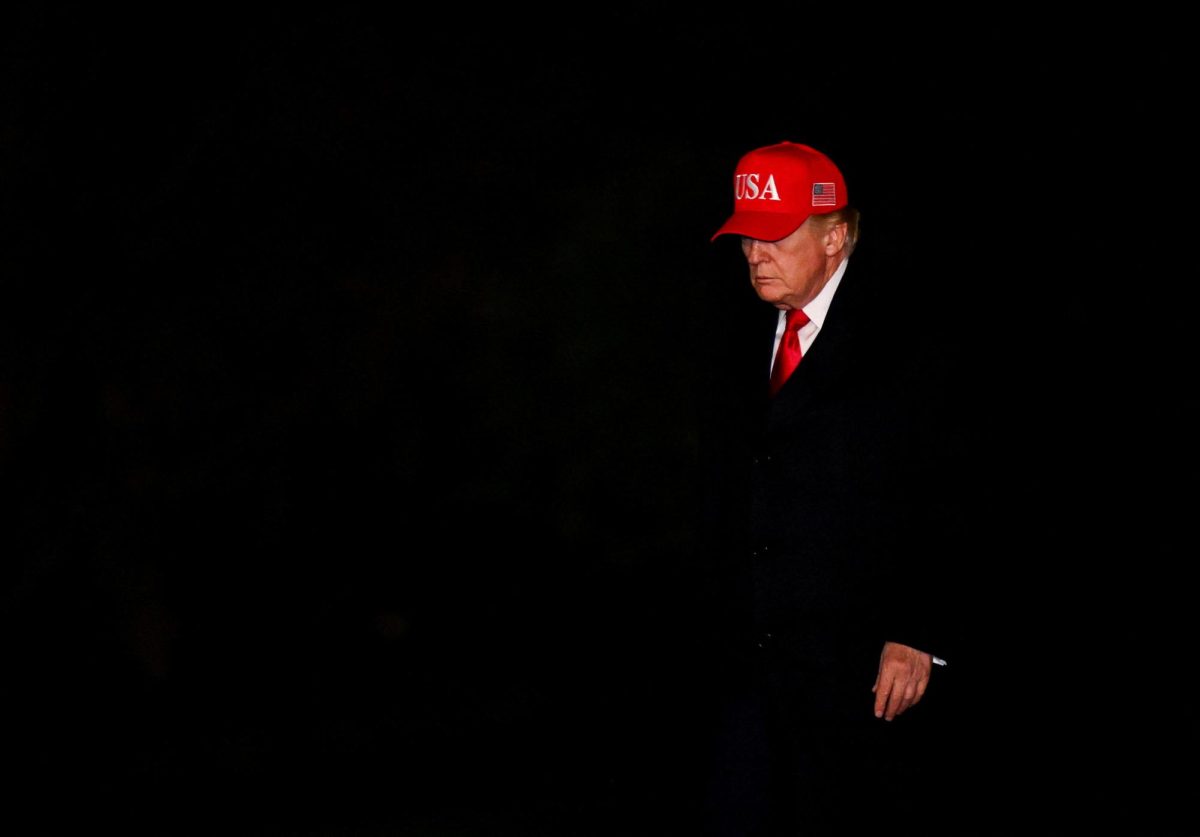
During the shutdown, the president’s political tactics, including AI-generated videos of Democratic leaders in sombreros and fake mustaches, led to public backlash, according to a New York Times article from Oct. 2.
The reason the democratic party says they did not hold out longer in the shutdown was that they felt it was obvious President Trump and congressional Republicans weren’t going to negotiate, and too many people were suffering. Throughout the duration of the shutdown, roughly 700 thousand federal employees faced mass layoffs and continued reporting to work without pay, with the promise of back pay after the shutdown ended.
Additionally, the SNAP, which serves approximately 42 million Americans, faced disruptions. Many states could not provide full November benefits and issued only partial benefits. While the end of the shutdown brought relief and December benefits were issued in full and on time, many people experienced a delay in receiving their November benefits, according to a CBS article from Nov. 13.
The early-childhood education program for low-income families, Head Start, also faced repercussions from the government shutdown. They faced the withholding of federal funding, leaving children without preschool, nutrition and other services. Head Start sites in 18 states had to close, according to a Nov. 5 Stateline article.
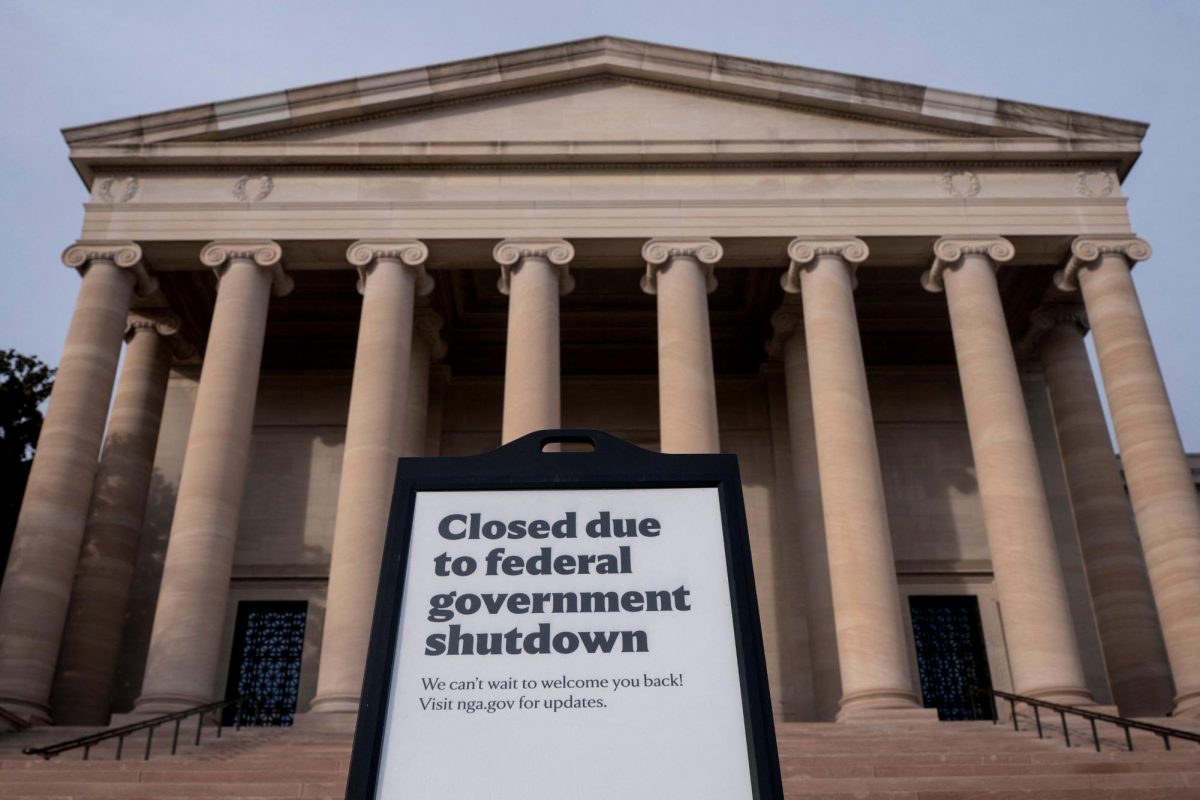
Museums and some monuments, such as the National Museum of American History and the National Air and Space Museum in Washington, D.C., were closed to visitors during the shutdown. They began to reopen on Nov. 14, according to BBC News.
As agencies begin to relaunch and the government reopens, the end of the shutdown marks the start of a long recovery. Federal workers continue to wait for back pay, and families that rely on SNAP and Head Start programs are still waiting for the benefits and services they missed. Major airports are recovering after weeks of delayed operations.
The 43-day situation has deepened frustration among the American people regarding questions about future budgets and healthcare control. With the next funding deadline in January, concerns have arisen about the power struggle in the government.