College sports are cherished by countless fans worldwide. The National Championship, March Madness and other tournaments draw audiences from all over to watch these young stars perform on the biggest stage. Sadly, recent changes over the last decade have done significant damage to the college athletic landscape, which appears irreparable with each passing day. From salaries that most people could only wish for to stars changing schools every year, college sports have become more of a business than the next level for athletes to improve.
Since 2018, the NCAA has allowed players to transfer freely between schools. Before 2018, an athlete’s ability to switch schools was a very difficult process. Coaches had to approve a player speaking to another school, allowing them to block contact with rival teams to prevent the player from transferring there. If a player did transfer, they had to sit out the entire year as a penalty. In 2018, the NCAA rolled out the transfer portal as a way for players to change schools if they so choose. However, the sit-out rule was still in place, so it was the best of both worlds: Players could move more freely but still had to pay the price. In 2021, this rule was changed, allowing players to leave without sitting out.
Since then, players have jumped from school to school as loyalty has essentially evaporated, replaced with the need to play for the best or get the most. Players moving from school to school has also eliminated team chemistry, as teams could fall apart after just one season together. This makes players more conditioned to go wherever they want, which only hurts how they will act if they make it to the professional stage.
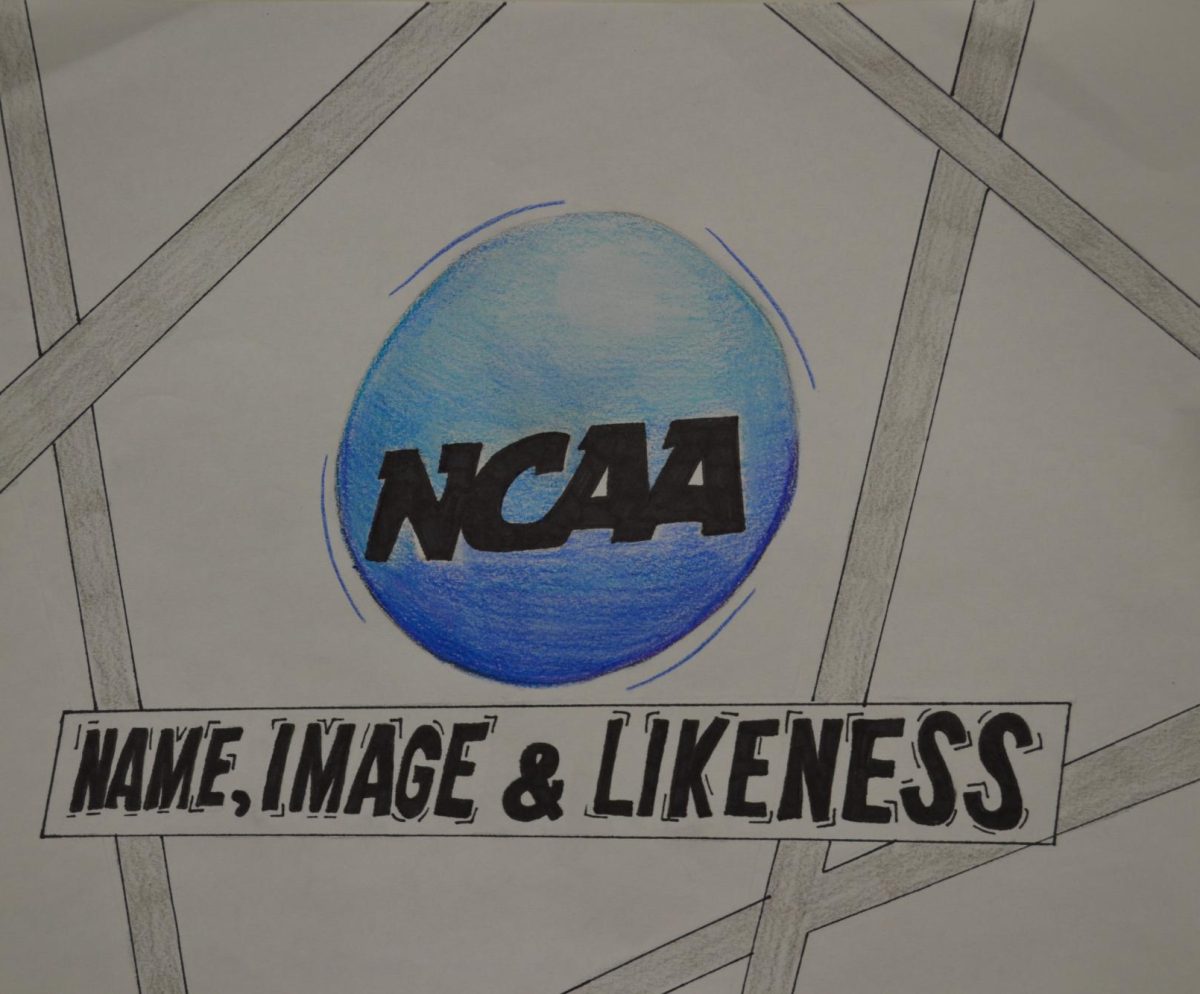
While the transfer portal is a big issue, there is an even bigger one at hand that fans want fixed: NIL: name, image and likeness. NIL is the right for players to be paid for the use of these things in advertisements, video games and more. For decades, college athletes were not compensated for the use of their likenesses, leading to several controversies and prompting fans to demand compensation. So, in 2021, after O’Bannon v. NCAA, the NCAA rolled out NIL, a program that would pay college athletes to have their name, image and likeness public. This would be the start of the main issue for college sports. At first, schools could not directly pay their players, so many companies arose to pay schools money as a non-profit, which would then go to the players. NIL began an auction-like process for players, with schools offering a price to get them to play for their program. Despite paying its players, the NCAA continued to face lawsuits for poor money management. Soon, schools were allowed to pay players directly, and contracts skyrocketed beyond millions of dollars.
The NCAA is broken. Players are getting paid more than most people could dream of loyalty is non-existent, upsets and underdog stories have vanished from reality and players can jump from team to team to up their net worth. These problems have been apparent for years, and significant change is needed. Rules need to be fixed, issues need to be addressed and players need to be re-taught that the NCAA is supposed to be a stepping stone, not the final destination.