A wave of nostalgia is sweeping across social media, bringing back popular trends from 2016, including squishies and Nee Dohs. Other trends, including “Pokémon Go,” were left behind because of their implications on children’s safety and mental health.
“Pokémon Go” is remembered as an app that had one of the most record-breaking popularity surges in 2016; however, it led to unhealthy obsessions and even deaths. It was released in July of 2016 and was a location-based game that combines both a virtual world and reality. Users can go to real-life landmarks to find, catch and release “Pokémon” characters to complete their Pokedex. With the initial launch of the site, it had over 100 million downloads in one month and was a cultural phenomenon globally, according to Statista.
Nostalgia was also a huge factor for players. Many who initially downloaded the game grew up collecting and trading the cards with friends. Not only that, but the anime cartoon series “Pokémon” was huge among kids growing up during the early 2000s. So, when individuals found out that there was now a new development to the “Pokémon” world, many were beyond excited.
It was quickly revealed that this game was the source of various accidents that put users and others at risk. Within months, over 100,000 car accidents stemmed from the game. During July 2016, in California, the two men were trying to catch a “Pokémon” and climbed over fences with multiple warning signs on them. According to The Los Angeles Times, one man fell about 80 to 90 feet down to the beach, and the other fell about 50 feet down the mountain, being left unconscious. Both survived with moderate injuries; however, this disaster was produced by a lack of situational awareness, as a result of serious addictions.
On the other hand, a decade later, other trends have resurfaced because of their positive impact on the new generation. Teens worldwide are hunting for these popular items in every toy store, as squishies and Nee Dohs have reentered pop culture.
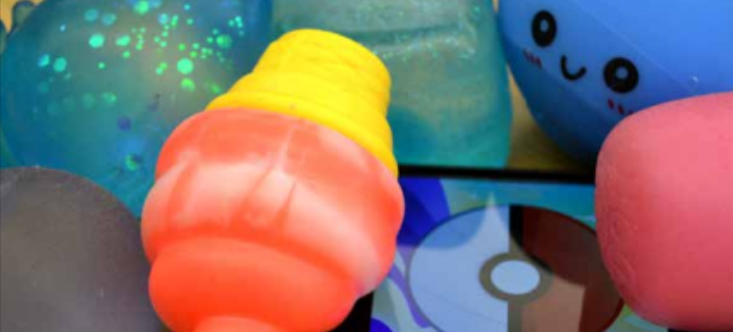
Across social media platforms such as TikTok and Instagram, videos showing collections of fidget toys gained thousands of views. By spreading these clips, students are sparking a renewed interest in 2016 comfort items. Many teens say they enjoy the toys because they are relaxing and fun, especially during a stressful school day.
Squishies first became popular around 2016 and 2017, known for their slow-rising, satisfying
foam and cute designs shaped
like animals, food and cartoon characters. Now, they are returning with brighter colors and new styles. Nee Dohs are gaining attention for their design, stretchy resistance and stress-relief benefits. Stores and online shops have reported increased demand for these products as students look for simple ways to relax and focus.
The surge in popularity is largely driven by nostalgia. Many teens recall playing with squishes throughout their youth, and are bringing them back. Social media plays a major role in this comeback. Influencers and creators often post “2016-core” content, showing colorful squishy collections and NeeDoh hauls that encourage viewers to join the trends.
While trends often come and go quickly, the return of these toys and the fall of “Pokémon” reveal how pop culture has been impacted over the last ten years.