For as long as social media has been around, dance trends have served as a universal language. Just a beat, a vibe, a few simple steps, and suddenly people across classrooms, states and even continents are moving in sync. 2016, particularly, was a pivotal year for online dance trends, setting the stage for the popularity and creativity we still see across our apps today. An entire decade later, and these shared moments continue to connect people in ways that feel genuine in an increasingly divided world.
Back in 2016, dance trends were everywhere. Whether in school hallways, lunchrooms, parties or sports events, people of all ages were joining in and sharing their moves with the world. Trends like the dab, the whip and nae nae, the running man, the hit the quan and the “Juju on That Beat” spread rapidly, popping up on Vine, Instagram and YouTube as millions recreated and shared their own versions. That year saw dances go viral in a way that felt unprecedented.
Fast forward to 2026, and while the platforms have changed, the impact of dance trends has only grown. TikTok, building on the foundation of Musical.ly, has made it easier than ever for simple choreography to spread across the globe. Silly routines curated by one user can be replicated thousands and thousands of times across different pages, with people adding their own unique twists along the way. Classics like the “Renegade,” “Savage,” and “Say So” dances became renowned on TikTok, constantly flooding everyone’s For You Pages. More recently, routines like Zara Larson’s “Lush Life” dance have gone viral, spreading widely among younger audiences.
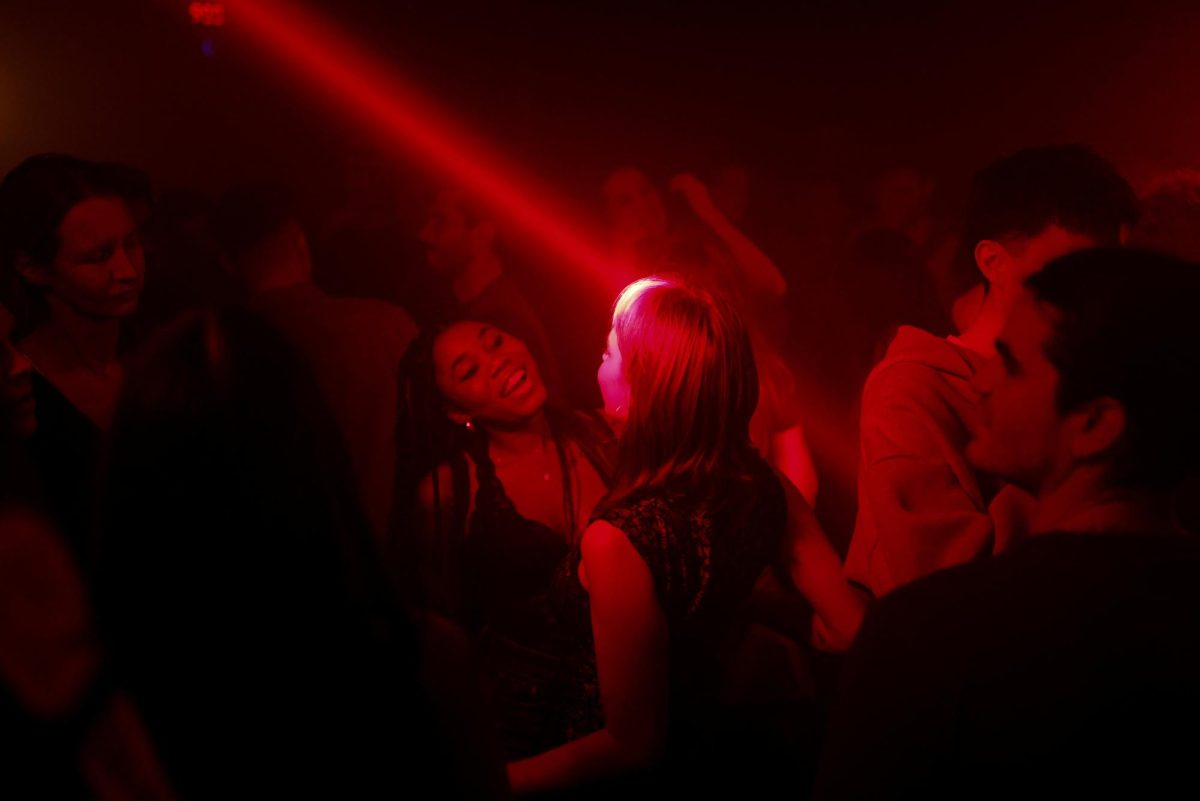
Beyond the viral fame and millions of views, what stands out the most is the role these dances play in today’s digital culture. Social media can more often than not feel extremely overwhelming and negative. From politics to news to what someone is wearing, people are constantly arguing about everything under the sun. Amidst this stark rift, dance trends offer a refreshing space for unity. As soon as the music turns on, differences in opinion, background, race and ethnicity become irrelevant, and everyone becomes one under the same rhythm. These brief moments of collective enjoyment stand as a reminder that even online, where things can get very dark very quickly, simple joy can bring people together in profound ways.
Looking at the impact of dance trends in 2016 and 2026, it is clear that the power of movement to connect remains as strong as ever. These shared experiences have not only established iconic memories to reflect on, but have also emphasized the importance of creating spaces where people can unite through activities as simple and universal as dance. As we continue to move forward as a society, it is worth keeping this tradition alive and allowing simple, fun routines to bridge divides in a world that has felt exceedingly fragmented.