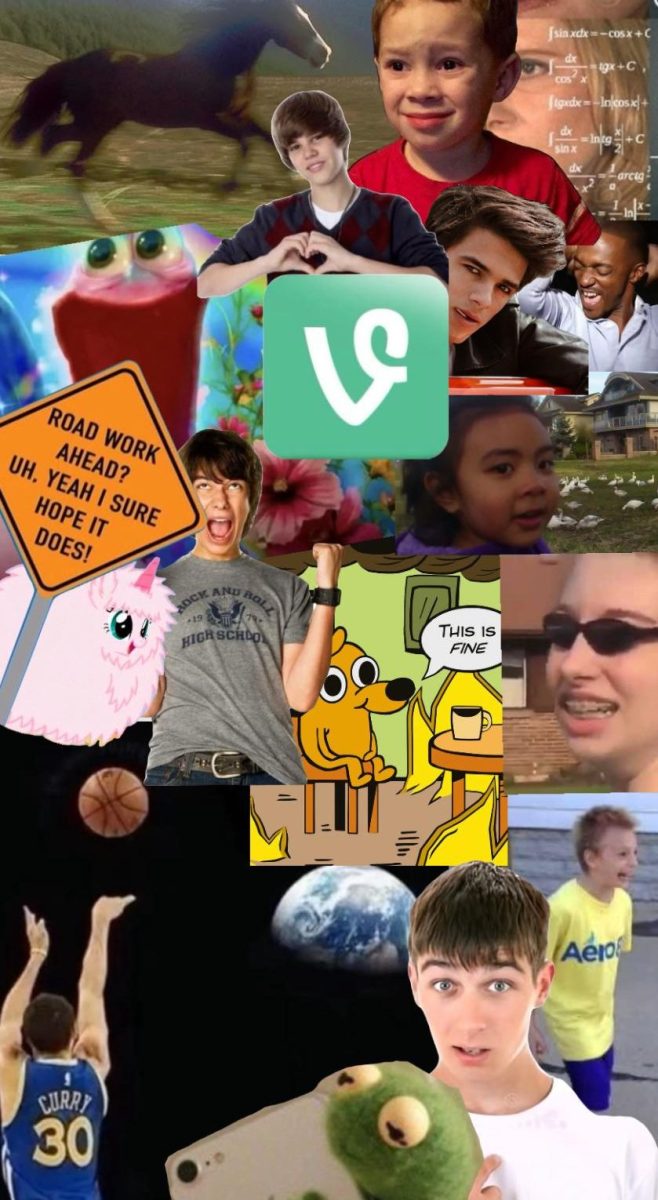
At Vine’s rapid downfall in 2016, what our generation may not have realized is that humor would never be the same. On Vine, jokes didn’t need to be perfect, and they barely needed to make sense. A random scream, a mistimed fall, a zoom-in at the wrong moment were jokes in and of themselves. Making people laugh on their phones was easy.
This was in part due to timing and in part due to attitude. Nobody was overthinking it yet. You weren’t watching a Vine wondering how long it took to edit or whether it would perform well. And if it hit, it hit. Creators like King Bach built entire audiences off quick, chaotic bits that lived and died in six seconds, yet people would laugh about them and reference them for months. The humor was immediate and disposable in the best way without lingering.
When Twitter first shut Vine down, the issue was monetization, or lack there-of. There was no real system to pay creators, and platforms like YouTube and Instagram offered something Vine didn’t: sustainability. That tone transformed into something else. By the time TikTok, which in 2016 was musical.ly, took over, short-form humor was objectively harder to achieve. Videos got longer and attention spans got shorter. So instead of one clean standalone punchline you could quote for months, humor started to build on itself. It became collaborative in the form of trends, sounds, formats. You were able to laugh at one person’s joke and indulge in a cycle of watching others twist it.
But somewhere in that shift, the effort changed too. It now takes more to make people laugh. People didn’t suddenly get less funny, but audiences eventually got used to everything and craved more. After years of constant content, nothing feels new on its own. So humor adapted: got sharper, more self-aware, more layered. A video is funny because it knows exactly how random to be, and when.
That’s where the difference really lies. Vine felt like people trying to make each other laugh. TikTok can feel like people trying to get laughs: hooks in the first second, pacing that matches attention data, captions that keep you watching. The joke is still there, but so is the strategy.
People still chase that older feeling. Every once in a while, a messy, low-effort video will blow up mainly because it wasn’t polished or felt curated. The joke lands in as candid of a way as the post.
Vine worked because it didn’t ask for much—just six seconds and a sense of humor. Now, short-form comedy asks for more. Without more awareness, more structure and more intention, you flop. The laughs are still there but they just come with a little more effort behind them, and now this generation has a humor that feels distant to look back on.